

Weather routing in modern shipping: safety, efficiency and operational discipline
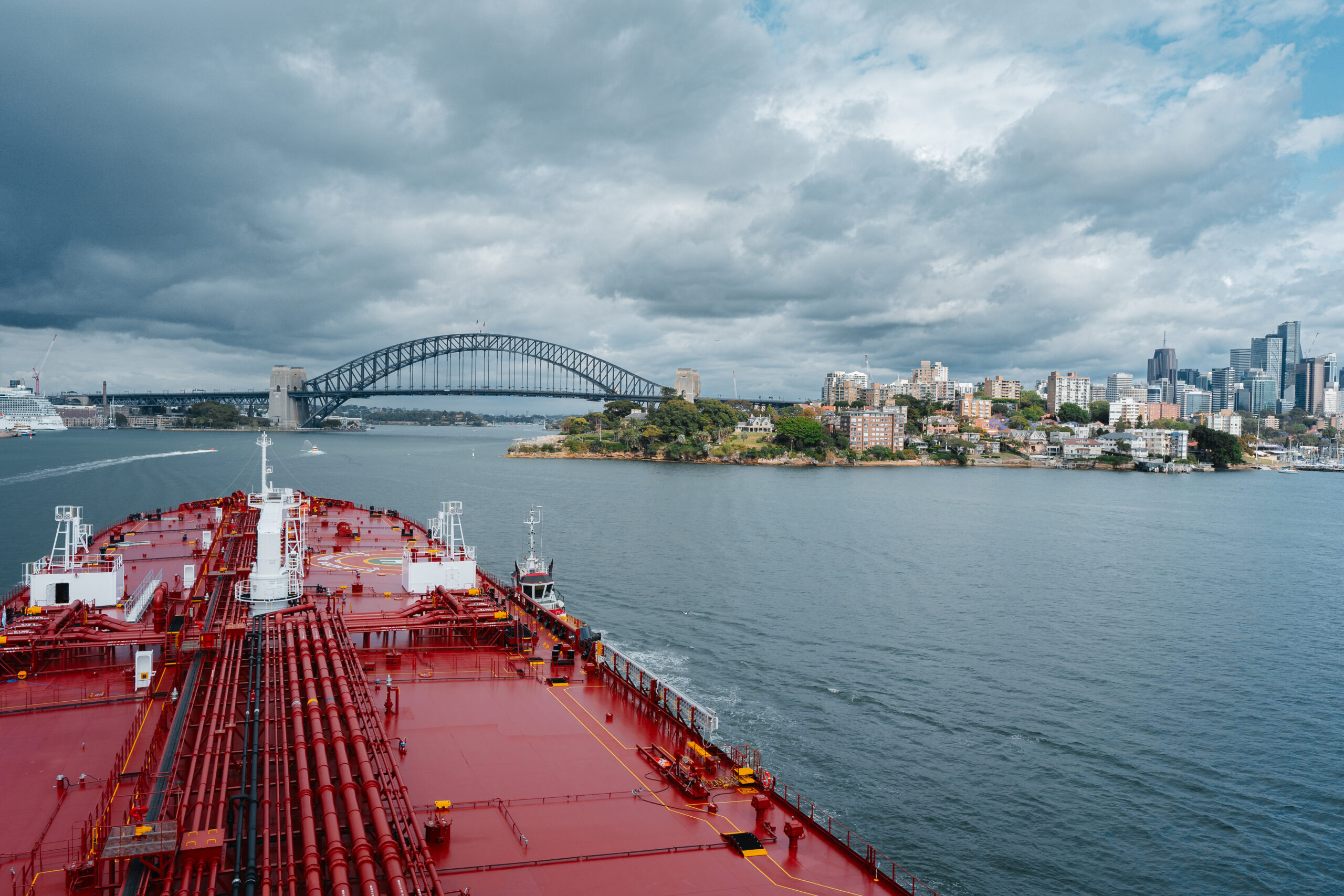
Weather routing is no longer just about avoiding adverse weather conditions at sea. In modern shipping, it shapes safety decisions, fuel efficiency, schedule reliability, voyage economics and emissions performance in ways that were not expected of it a generation ago.
A voyage plan used to be seen primarily as a navigational necessity. Today, it functions as a live operational framework, absorbing changing weather, commercial commitments, fuel cost pressures and growing scrutiny of emissions performance.
That shift has made weather routing and voyage optimisation far more important than tools for avoiding storms or trimming a few miles from a passage. Used properly, they help operators decide how a voyage should be conducted in real conditions, with all the trade-offs that come with modern shipping.
The quality of decisions can influence safety, schedule reliability, fuel consumption and overall voyage efficiency from departure to arrival.
A more demanding operating environment
Shipping has always had to contend with weather, tide and currents. What has changed is the number of competing pressures that now sit alongside it. Operators are expected to move cargoes safely and reliably, while also managing fuel use, arrival windows and the emissions profile of each voyage.
In that environment, weather routing is best understood as part of a broader optimisation process. Forecasts for wind, waves and currents remain central, but they are only one part of the picture. The operational value comes from combining them with vessel-specific performance characteristics, timing requirements and practical marine judgment.
This is why two ships sailing between the same ports may not make the same routing decision. Vessel type, loading condition, hull condition, speed profile and commercial constraints all influence what the best option looks like in practice.
Why route choice is only part of the answer
One of the most persistent misconceptions about weather routing is that it is chiefly about changing course around bad weather. In reality, some of the most important decisions concern speed as much as the route.
A vessel that pushes to maintain a fixed speed through adverse conditions may burn significantly more fuel than one that adjusts its profile more intelligently. Equally, a ship that arrives too early may simply transfer inefficiency from the passage to the anchorage.
Voyage optimisation is where this thinking becomes especially valuable. It encourages operators to think in terms of whole-voyage performance. Instead of treating safety, fuel efficiency and arrival time as separate concerns, it brings them into the same decision-making process.
This can include:
- matching speed to likely conditions along the route
- reducing avoidable exposure to heavy weather
- planning around a required arrival window
- understanding the prevalent currents
- reassessing assumptions as conditions change during the voyage
- understanding how the vessel’s actual performance differs from calm-water expectations
Wind, waves and swell create additional resistance, which is why operators build in an expected sea margin when planning fuel use and voyage timing. Better routing and speed decisions cannot remove that reality, but they can help reduce avoidable inefficiency within it.
Safety is still the first principle
Any discussion of weather routing should begin with safety. Adverse conditions can affect a vessel’s structural integrity and stability, technical performance, cargo specifications, crew welfare and overall operational resilience. They can also create downstream disruption if delays alter operational schedules, berth plans or terminal availability.
Route optimisation is a structured way of making safer and more informed decisions before conditions become operational problems.
Timing matters too. Good weather routing is rarely dramatic. Its value often lies in early, measured adjustments rather than last-minute reaction. A modest course alteration or speed change made at the right moment can be far more effective than trying to recover from disruption later in the voyage.
Efficiency is now operational, commercial and environmental
Fuel has long been one of shipping’s major voyage costs, so the economic case for optimisation is familiar. What is different now is that fuel efficiency increasingly has to be viewed alongside schedule discipline and emissions performance.
The International Maritime Organization’s carbon-intensity framework has made that link more visible. The IMO’s Energy Efficiency Existing Ship Index and Carbon Intensity Indicator requirements took effect in January 2023, and the organisation explicitly identifies speed and routing optimisation as measures that can help improve a ship’s carbon-intensity performance.
For charterers and cargo owners, this creates a more practical understanding of decarbonisation. Emissions performance is not only about future fuels and next-generation technologies, but also about how voyages are run today, using the vessels and trading patterns already in service.
Technology helps, but judgment still matters
Digital tools have transformed the amount of data available to operators. Forecasting is more detailed, vessel performance analysis is more sophisticated, and route recommendations can be updated continuously as a voyage progresses.
Yet more data does not remove the need for expertise. If anything, it raises the bar.
A recommendation is only useful if it is interpreted in context. Masters, operators and technical teams still have to judge how a vessel is likely to respond, what the operational priorities are, and where the acceptable trade-offs lie. The best outcomes come when software and marine judgment are used together, each complementing the other.
This is why weather routing is ultimately a marker of operational quality; access to good forecasts matters, but so does how that information is interpreted and acted on.
The VIS approach
At VIS, voyage execution sits within a broader operational framework that spans technical, commercial, regulatory and environmental priorities. Sea conditions are dynamic, and however much technology has advanced, ships are still operated by people. The decisions that matter most are those that combine good data with sound judgment.
Every sea-going voyage under VIS management is reviewed and monitored closely. That scrutiny sits at the core of what the operations team does each day. Vessels under VIS management have access to continuously updated weather forecasts and optimised routing, but the value of those tools lies in how they are used. Active monitoring gives operators a firmer grip on schedule performance and bunker management, and it enables early interventions before conditions become problems.
The people behind that process are central to what VIS offers. The commercial operations team is geographically spread and draws on a blend of experience and fresh thinking. Most members have sailed as master mariners or chief engineers. They bring that sea-time directly into day-to-day decision making. VIS also draws on its in-house technical managers, whose operational knowledge and lessons learned are applied systematically across the managed fleet. The combination of deep sector expertise and hands-on marine background is what makes the team’s judgments reliable under pressure.
Every ship that comes under VIS management is onboarded through a thorough assessment covering technical, operational and commercial factors. From that point, each vessel is connected to a suite of monitoring systems, combining proprietary tools with carefully selected external services. The VIS team therefore understand not just how conditions are forecast to develop, but how each individual vessel is likely to respond to them. Knowing a ship’s behavioural pattern in different sea states is what allows every voyage to be planned and executed to its full potential: on time, on budget and, above all, safely.
As a result, assets are managed with technical rigour, practical experience and a commercial awareness that keeps safety, efficiency and schedule reliability in balance throughout every voyage.
Ultimately, weather routing and voyage optimisation are about more than passage planning
They are about decision quality: how well an operator responds to changing conditions, balances competing priorities and delivers a voyage safely, efficiently and reliably.
As shipping comes under greater operational and environmental pressure, that quality of execution will matter more than ever. The operators that stand out will not simply be those with access to better technology. They will be those who use it well: teams with the sea-time experience to interpret what the data is saying, the technical depth to understand how individual vessels behave, and the operational discipline to act early rather than react late.
That combination of systems, expertise and practical judgment is what good voyage execution looks like in practice, and it is what VIS brings to every voyage it manages.